

- posted: Aug. 22, 2025
Toxic Plants Every Pet Owner Should Know About
At Lakeshore Road Animal Hospital, we know that your pets are like family, and keeping them safe is always a top priority. While we love the beauty that plants bring to our homes and gardens, many common plants can be toxic to our furry friends. Did you know that something as simple as a pretty flower or decorative houseplant could pose a serious risk to your pet? In this post, we’ll highlight a few plants that you should watch out for and offer tips on how to keep your pets safe.
1. Poinsettias
A holiday favorite, but did you know that poinsettias are mildly toxic to pets? While they’re not likely to cause serious harm, ingestion can lead to irritation in the mouth and stomach, causing drooling, vomiting, or diarrhea.
2. Lilies
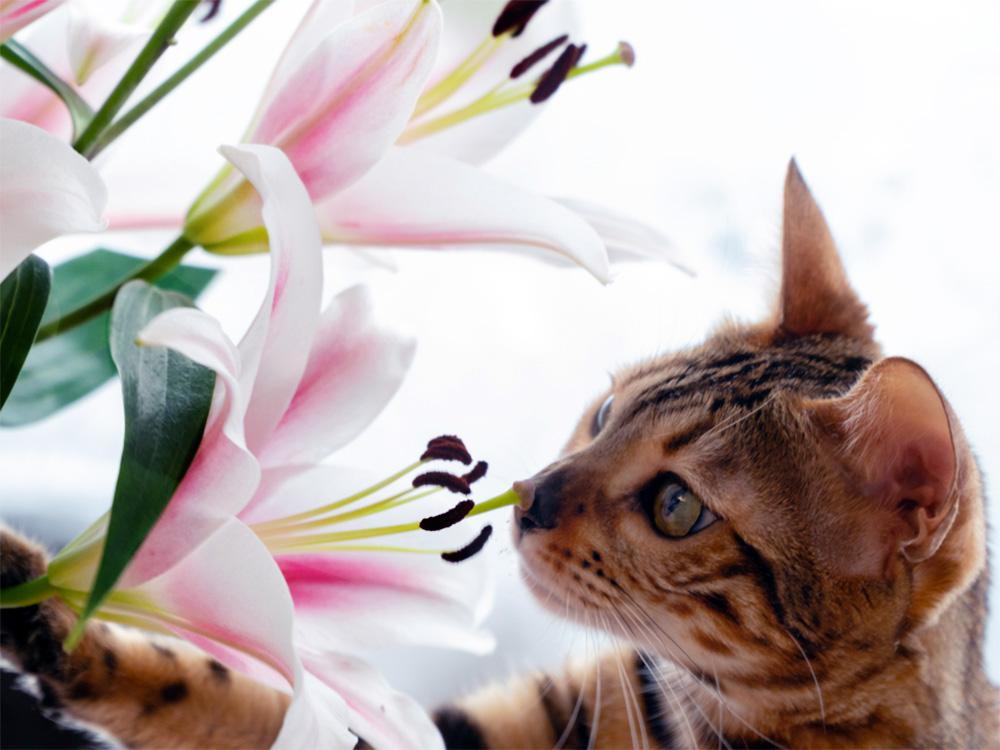
For cat owners, lilies (including Easter lilies, tiger lilies, and day lilies) are especially dangerous. Even small amounts can cause severe kidney failure. If your curious kitty chews on a lily, it’s important to seek veterinary attention immediately.
3. Oleander
This beautiful shrub, often found in gardens, is highly toxic to both dogs and cats. It can cause symptoms ranging from drooling and vomiting to more serious issues like heart arrhythmias. Oleander should be kept far away from pets, especially outdoors.
4. Aloe Vera
Aloe Vera may have healing properties for humans, but for pets, it’s a different story. If ingested, aloe can cause vomiting, diarrhea, and lethargy. While it’s great for your skin, it’s not a good match for your pet's stomach!
5. Sago Palm
This popular houseplant is especially dangerous for dogs, with all parts of the plant—especially the seeds—being highly toxic. Sago palm ingestion can lead to severe liver damage and even death if not treated promptly.
Tips for Keeping Your Pets Safe
- Know which plants are toxic: Familiarize yourself with common household and garden plants that can be harmful to pets.
- Keep plants out of reach: Place plants in areas that your pets can’t easily access, such as high shelves or rooms they can’t enter.
- Vet visits are key: If you suspect your pet has eaten something toxic, don’t hesitate to contact Lakeshore Road Animal Hospital. Time is critical, and early treatment can make all the difference.
Your pet’s safety is our top priority, and we’re here to help! If you have any concerns about plants in your home or garden, feel free to reach out to us. Together, we can create a safe environment for your furry friends to thrive.
Office Hours
8:00 AM - 8:00 PM
9:00 AM - 2:00 PM
Closed
Location
2319 Lakeshore Rd W.
Oakville, ON L6L 1H2, Canada
Contact Us
