

- posted: May 16, 2025
Understanding Ear Infections in Pets: Causes, Symptoms, and Treatment
By Lakeshore Road Animal Hospital
Ear infections are one of the most common issues we see at Lakeshore Road Animal Hospital, and if you’re a pet owner, it’s important to be aware of how to spot them early. Whether your pet is shaking their head a little too often or scratching their ears like crazy, ear infections can cause discomfort and lead to bigger issues if left untreated. Let’s dive into the causes, symptoms, and treatments for ear infections in pets, so you can keep your furry friends feeling their best.
What Causes Ear Infections in Pets?
Ear infections in pets are typically caused by a variety of factors, including:
- Bacteria and Yeast: These microorganisms thrive in warm, moist environments—perfect conditions for your pet's ears!
- Allergies: Just like humans, pets can have allergic reactions to food, pollen, or environmental factors, which can lead to ear infections.
- Ear Mites: These tiny pests can cause irritation and inflammation, leading to infections.
- Foreign Objects: Sometimes, a bit of debris like dirt or a small seed can get stuck in your pet’s ear, causing an infection.
- Excessive Moisture: Pets that love water, like dogs that swim often, are more prone to ear infections due to trapped moisture in the ear canal.
Signs Your Pet May Have an Ear Infection
It’s important to catch ear infections early to prevent them from becoming serious. Look out for these common symptoms:
- Head Shaking or Tilting: If your pet is frequently shaking their head or tilting it to one side, it could be a sign of discomfort.
- Scratching Ears: Persistent scratching or pawing at the ears is often a telltale sign that something’s wrong.
- Bad Odor: A strong, foul smell from your pet’s ears is a common symptom of infection.
- Redness or Swelling: If the inside of your pet’s ear looks red or swollen, it may be infected.
- Discharge: If you notice a thick, brown, or yellow discharge coming from your pet’s ears, this is another red flag for infection.
- Sensitivity: If your pet seems to be in pain when their ears are touched, they may have an ear infection.
How is an Ear Infection Diagnosed?
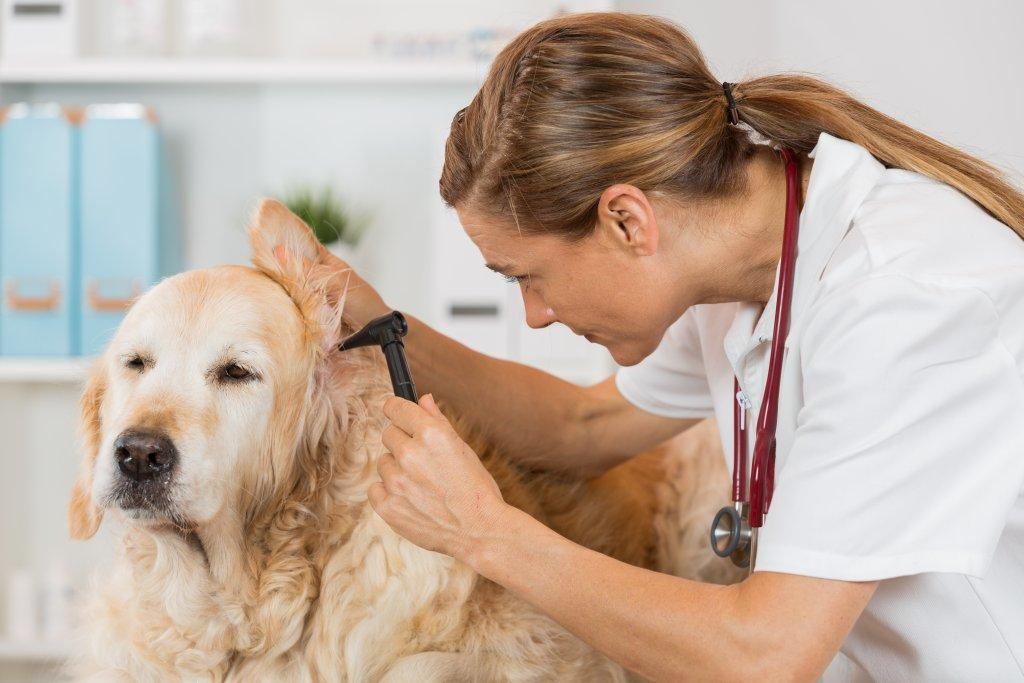
If you notice any of these symptoms, it’s time to visit Lakeshore Road Animal Hospital. Our veterinary team will perform a thorough examination, including looking inside your pet’s ear with an otoscope, to check for signs of infection, inflammation, or foreign objects. In some cases, we may take a sample from your pet’s ear to check for bacteria, yeast, or mites.
Treatment for Ear Infections
Ear infections are treatable, but the best approach depends on the cause of the infection. Common treatments include:
- Ear Cleaning: Gently cleaning your pet’s ears to remove debris, wax, and discharge.
- Medications: Prescription ear drops or oral medications to fight bacterial or yeast infections.
- Antihistamines or Steroids: If allergies are contributing to the infection, medications can help manage the allergic response.
- Addressing Underlying Issues: For recurring ear infections, we may recommend testing for allergies, mites, or other health conditions that could be contributing to the problem.
How to Prevent Ear Infections in Pets
While some pets are more prone to ear infections than others, there are a few things you can do to help prevent them:
- Keep Ears Dry: After your pet swims or gets bathed, make sure to dry their ears thoroughly to prevent moisture buildup.
- Regular Ear Checks: Make ear inspections a part of your routine pet care. If you notice excessive wax or dirt buildup, clean their ears with a vet-approved solution.
- Manage Allergies: If your pet suffers from allergies, managing them with the help of your veterinarian can reduce the likelihood of ear infections.
- Don’t Over-Clean: Cleaning your pet’s ears too often can irritate the ear canal. Only clean when necessary or as advised by your vet.
Final Thoughts
Ear infections can be painful for your pet, but with early detection and proper treatment, they’re often easy to manage. If you suspect your pet has an ear infection, don’t wait—schedule an appointment with Lakeshore Road Animal Hospital for a thorough examination and effective treatment plan.
By staying proactive and informed about your pet’s ear health, you can help them stay comfortable and infection-free for years to come. If you have any concerns or questions about your pet’s ear health, don’t hesitate to reach out to us. We’re here to help your furry friend feel their best!
Office Hours
8:00 AM - 8:00 PM
9:00 AM - 2:00 PM
Closed
Location
2319 Lakeshore Rd W.
Oakville, ON L6L 1H2, Canada
Contact Us
