

- posted: Mar. 07, 2025
Understanding Hypothyroidism in Dogs: Symptoms, Causes, and Treatment
Hypothyroidism is a common endocrine disorder in dogs, particularly in middle-aged and older dogs. It occurs when the thyroid gland doesn't produce enough thyroid hormones, which are crucial for regulating metabolism. If left untreated, hypothyroidism can lead to a range of health issues. In this blog post, we’ll explain what hypothyroidism is, how to recognize the signs, and the treatment options available to help your dog live a healthy life.
What is Hypothyroidism in Dogs?
The thyroid gland, located in your dog’s neck, produces hormones that regulate metabolism, energy levels, and overall health. In dogs with hypothyroidism, the thyroid gland doesn’t produce enough of these hormones, leading to a slowdown of bodily functions. This condition is more common in certain breeds, such as Golden Retrievers, Doberman Pinschers, and Cocker Spaniels.
Symptoms of Hypothyroidism
Recognizing the symptoms of hypothyroidism early is key to managing the condition. Some common signs to watch for include:
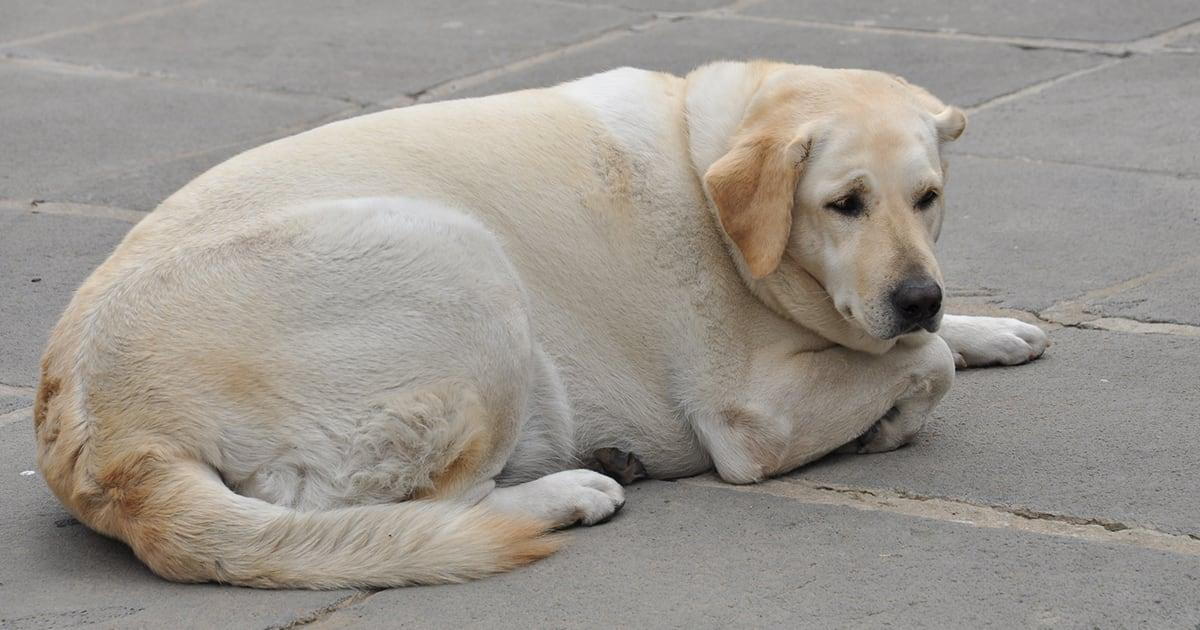
- Weight Gain – Even with a normal diet and exercise routine, your dog may gain weight.
- Fatigue or Lethargy – Hypothyroid dogs often feel tired and may not want to engage in physical activity.
- Hair Loss or Thinning Coat – A noticeable change in your dog’s coat, including hair loss, thinning, or dullness, is a common sign.
- Cold Sensitivity – Dogs with hypothyroidism may become more sensitive to the cold and seek out warm spots in the house.
- Skin Issues – Dry, flaky skin and increased shedding can also be symptoms.
- Behavior Changes – Some dogs may experience changes in behavior, such as increased irritability or depression.
If you notice any of these signs, it’s important to schedule a vet visit to get a proper diagnosis.
Causes of Hypothyroidism in Dogs
Hypothyroidism is most often caused by autoimmune thyroiditis, where the dog's immune system attacks the thyroid gland, leading to reduced hormone production. Other causes may include thyroid gland tumors or genetic factors. In some cases, hypothyroidism can be hereditary, making it more common in certain breeds.
Diagnosing Hypothyroidism
If your vet suspects your dog has hypothyroidism, they will perform a physical examination and may recommend blood tests to measure thyroid hormone levels. The most common test is the T4 test, which measures the levels of thyroxine, the main thyroid hormone. Additional tests may be needed to confirm the diagnosis.
Treatment Options for Hypothyroidism
While hypothyroidism is not curable, it is highly manageable with proper treatment. The most common treatment is hormone replacement therapy. This involves giving your dog a synthetic thyroid hormone, such as levothyroxine, to replace the hormones their thyroid is no longer producing.
Regular Monitoring – Once treatment begins, your vet will schedule follow-up appointments to monitor your dog’s thyroid levels and adjust the dosage as needed.
Diet and Weight Management – Since hypothyroid dogs are prone to weight gain, maintaining a healthy diet and regular exercise routine is important to avoid obesity.
Conclusion
Hypothyroidism in dogs is a manageable condition that, when caught early, can lead to a full and active life. If you notice any of the signs mentioned above, schedule a visit with your veterinarian for a thyroid test. With proper treatment, most dogs with hypothyroidism can enjoy a healthy, happy life.
Office Hours
8:00 AM - 8:00 PM
9:00 AM - 2:00 PM
Closed
Location
2319 Lakeshore Rd W.
Oakville, ON L6L 1H2, Canada
Contact Us
