

- posted: Feb. 21, 2025
Understanding Patellar Luxation in Pets: What You Need to Know
At Lakeshore Road Animal Hospital, we know that your pet’s health and happiness are top priorities. As part of our commitment to providing the best care, we want to help you understand some common conditions that may affect your furry companions. One such condition is patellar luxation—a condition that can cause discomfort and long-term issues for pets, especially dogs.
What is Patellar Luxation?
Patellar luxation occurs when a pet's kneecap (the patella) slips out of its normal position in the groove at the end of the thigh bone. This can cause the knee joint to become unstable, leading to limping, pain, and difficulty walking. It’s a condition that can affect any pet, but it’s most common in small breeds like Chihuahuas, Pomeranians, and Yorkshire Terriers, though it can happen in large dogs as well.
Symptoms of Patellar Luxation
Recognizing the signs early can help prevent further discomfort for your pet. Some common symptoms of patellar luxation include:
- Limping or lameness in one or both back legs
- Intermittent skipping or “hopping” while walking
- Pain or sensitivity around the knee joint
- Abnormal posture or difficulty standing up
Causes and Risk Factors
Patellar luxation can be caused by both genetic factors and trauma. In many cases, it’s hereditary, especially in certain small breeds. However, injuries to the knee or joint degeneration over time can also lead to the condition.
How We Diagnose and Treat Patellar Luxation
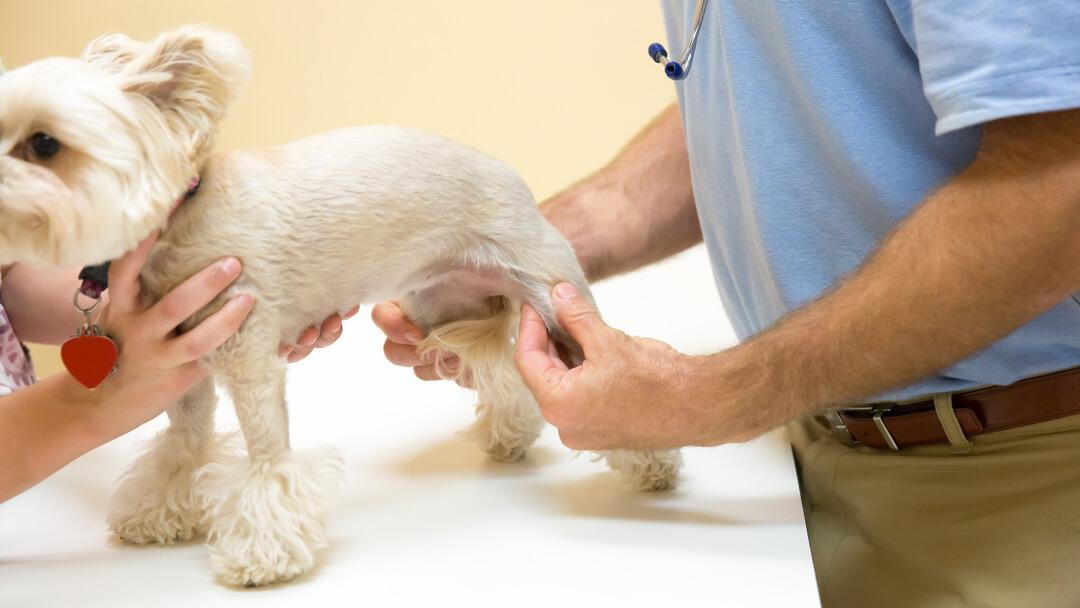
If you notice any of the symptoms above, it’s important to bring your pet in for an evaluation. At Lakeshore Road Animal Hospital, we’ll conduct a thorough physical examination and may take X-rays to confirm the diagnosis and assess the severity of the condition.
Treatment varies depending on the severity of the luxation:
- Mild cases may be managed with pain relief and anti-inflammatory medications.
- Moderate to severe cases may require surgery to realign the kneecap and stabilize the joint.
Surgical intervention can be highly effective and help restore your pet’s mobility and quality of life.
Prevention and Long-Term Care
While some pets may be born with a predisposition to patellar luxation, there are ways to minimize the risk or prevent further damage. Keeping your pet at a healthy weight, ensuring they have a proper exercise routine, and avoiding high-impact activities can reduce stress on their joints. Regular check-ups with your veterinarian will also help catch any early signs of joint issues before they become more serious.
Don’t Wait – Act Now!
If your pet is showing signs of limping or difficulty walking, don’t wait for the problem to get worse. Contact us at Lakeshore Road Animal Hospital today to schedule an exam and get your pet on the path to recovery.
Your pet deserves to feel their best, and we’re here to help make that happen!
Office Hours
8:00 AM - 8:00 PM
9:00 AM - 2:00 PM
Closed
Location
2319 Lakeshore Rd W.
Oakville, ON L6L 1H2, Canada
Contact Us
