

- posted: Jan. 17, 2025
Antifreeze Toxicity: A Hidden Danger to Your Pets and How to Protect Them
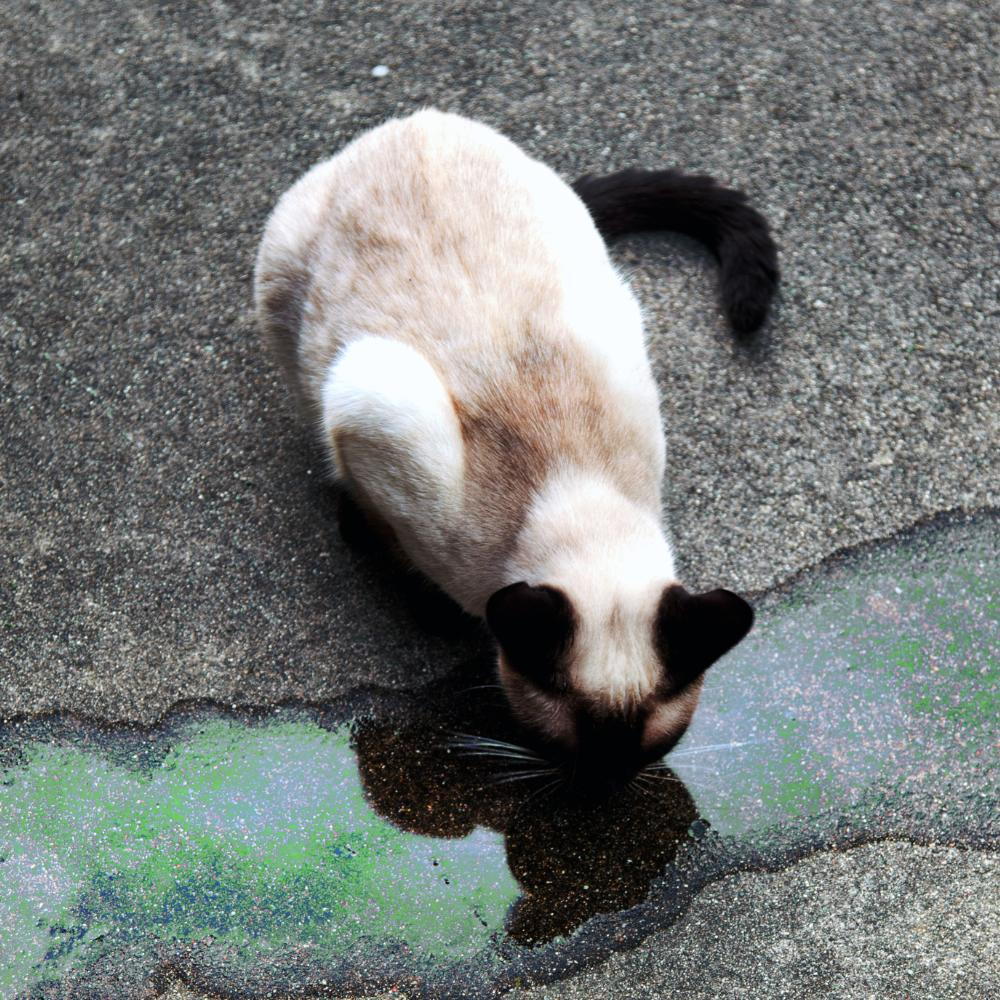
As winter approaches, many pet owners are more focused on cozying up inside and keeping warm. However, there’s a silent danger lurking that could affect your furry friends: antifreeze. The sweet-smelling liquid used in car engines to prevent freezing can be deadly to pets if ingested. At Lakeshore Road Animal Hospital, we want to educate pet owners about the signs of antifreeze poisoning and how to keep your pets safe during the colder months.
What is Antifreeze and Why is It Dangerous to Pets?
Antifreeze, or ethylene glycol, is commonly used in vehicles to lower the freezing point of engine coolant. Unfortunately, its sweet taste makes it attractive to animals, especially dogs and cats. Just a small amount of antifreeze—often less than a teaspoon for a cat or a few tablespoons for a dog—can be deadly if swallowed.
Signs of Antifreeze Poisoning in Pets
The effects of antifreeze poisoning can be quick and devastating. It's important for pet owners to recognize the early signs, as prompt treatment can save your pet’s life. Symptoms of antifreeze toxicity can appear within hours of ingestion and may include:
- Lethargy or drowsiness: Pets may seem unusually tired or unwilling to move.
- Uncoordinated movements: Your pet might seem wobbly, stumbling, or unsteady.
- Vomiting or diarrhea: Gastrointestinal upset can be a common symptom.
- Increased thirst or urination: Pets may drink or urinate more than usual.
- Seizures: In severe cases, antifreeze poisoning can lead to seizures or tremors.
- Rapid breathing or heart rate: A sign that the body is under stress.
If you suspect that your pet has ingested antifreeze, it's crucial to seek veterinary care immediately. The earlier we can treat antifreeze toxicity, the better the chances of a full recovery.
How Does Antifreeze Affect Pets?
Antifreeze is so dangerous because of how it affects the body. Once ingested, ethylene glycol is rapidly absorbed into the bloodstream and is metabolized by the liver into toxic compounds. These compounds cause severe damage to the kidneys, which can lead to kidney failure. The damage can be irreversible, so quick intervention is critical.
Preventing Antifreeze Poisoning in Pets
Prevention is always the best approach. Here are some tips to help keep your pets safe from antifreeze poisoning:
- Keep antifreeze out of reach: Store antifreeze in sealed containers and keep them in areas where pets cannot access them.
- Clean up spills immediately: Even small spills on the garage floor or driveway can be tempting for pets. Use a pet-safe cleaner to thoroughly clean any spills.
- Choose pet-safe antifreeze: Some brands of antifreeze use propylene glycol, which is less toxic to animals. While not completely risk-free, it's a safer option than traditional ethylene glycol-based antifreeze.
- Keep pets indoors: During winter, it’s especially important to keep your pets inside and away from areas where antifreeze might spill, such as garages or driveways.
- Watch your pet closely: If you're traveling or spending time in areas where antifreeze might be used (like garages or parking lots), be vigilant. Monitor your pet’s behavior to ensure they’re not ingesting anything they shouldn’t.
What to Do if You Suspect Your Pet Has Ingested Antifreeze
If you suspect your pet has ingested antifreeze, it’s crucial to act quickly. Here’s what you can do:
- Call your vet immediately: Let them know your pet’s symptoms and the possible ingestion of antifreeze.
- Do not wait for symptoms to appear: Even if your pet isn't showing symptoms yet, antifreeze poisoning can cause irreversible damage in a short amount of time.
- Induce vomiting only under veterinary guidance: Do not attempt to make your pet vomit unless directed by your vet, as it may cause more harm.
At Lakeshore Road Animal Hospital, we are ready to help if you believe your pet has been exposed to antifreeze. Our team has the experience and tools to treat antifreeze poisoning quickly and effectively.
Conclusion
Antifreeze poisoning is a serious risk during the winter months, but by staying vigilant and taking preventative steps, you can protect your pets from this dangerous toxin. If you have any concerns or suspect your pet has ingested antifreeze, don’t hesitate to contact us immediately. The health and safety of your pets is our top priority at Lakeshore Road Animal Hospital, and we’re here to support you every step of the way.
Office Hours
8:00 AM - 8:00 PM
9:00 AM - 2:00 PM
Closed
Location
2319 Lakeshore Rd W.
Oakville, ON L6L 1H2, Canada
Contact Us
