

- posted: Jan. 03, 2025
How to Protect Your Dog’s Paws in the Winter
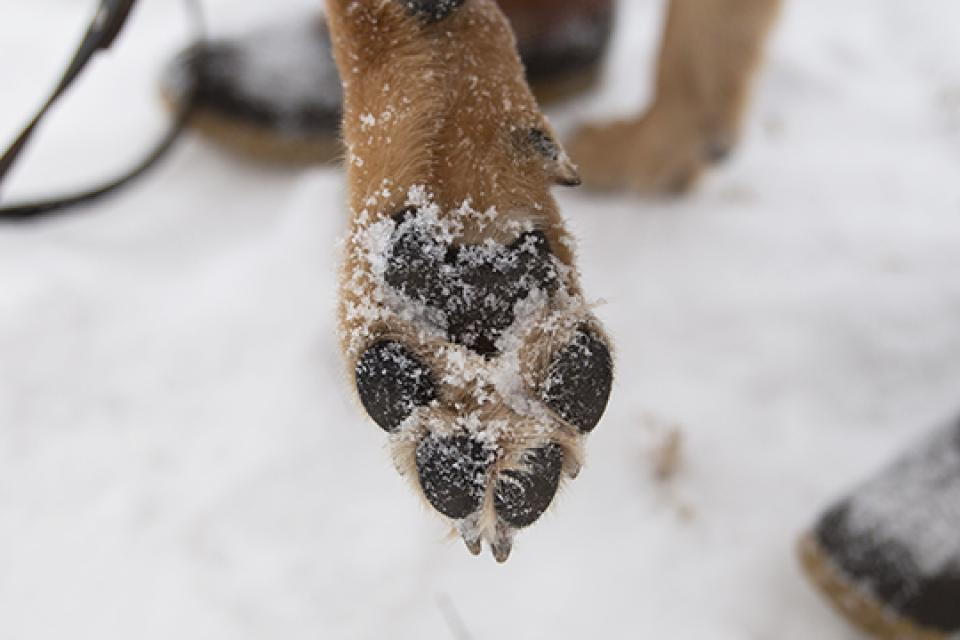
Winter is a magical time of year, but it can also be tough on your dog’s paws. Cold temperatures, snow, ice, and chemicals used for de-icing can cause irritation or injury. As a pet owner, it’s important to keep your dog’s paws healthy and protected during the colder months. Here are some simple and effective ways to keep their paws safe this winter:
1. Trim the Fur Around Their Paws
Long fur around your dog’s paws can trap snow, ice, and salt, which may cause discomfort or injury. Regularly trim the fur between their toes to help prevent buildup. This also allows for better traction on slippery surfaces, keeping your dog more stable on icy sidewalks.
2. Use Paw Balm or Wax
Just like our skin gets dry in the winter, so do your dog’s paws. Paw balms and waxes are specially designed to moisturize and protect their pads from becoming cracked or dry. Apply a thin layer before walks, and make sure to wipe off any excess after you're done. This creates a barrier that shields their paws from ice and salt.
3. Boots for Extra Protection
If your dog tolerates wearing boots, they can be a great option for protecting their paws from ice, snow, and harsh chemicals. Dog boots provide insulation from the cold and keep paws dry. Choose boots that are comfortable, waterproof, and have good traction to avoid slipping.
4. Keep Their Paws Clean
After walks, wipe your dog’s paws with a damp cloth to remove any ice, salt, or chemicals they may have walked through. Salt can cause irritation and lead to painful sores, so cleaning their paws thoroughly after being outside is a must. If your dog has sensitive paws, consider using a pet-safe paw wash.
5. Limit Outdoor Time in Extreme Cold
While dogs love their walks, prolonged exposure to extreme cold can be harmful to their paws. If the temperature is extremely low, try to limit outdoor time or keep walks short. This helps prevent frostbite or damage to the paw pads.
6. Watch for Cracked Pads
If your dog’s paw pads start to crack or bleed, it could be a sign that they’re suffering from dryness or injury. In this case, it’s important to get your dog treated promptly. Visit your veterinarian for advice on how to treat cracked paws and prevent further damage.
7. Consider Pet-Friendly De-Icers
Many de-icing products contain chemicals that are harmful to pets. Look for pet-safe de-icers or sand to use on your driveway and sidewalks. If your dog does come in contact with ice-melting products, clean their paws immediately.
Final Thoughts
Winter weather may bring joy for playtime in the snow, but it’s essential to protect your dog’s paws from the harsh elements. By trimming the fur, using paw protection, cleaning their paws after walks, and watching for signs of damage, you can help keep your dog’s paws comfortable and healthy all season long.
If you notice any paw injuries or concerns, don’t hesitate to contact us at Lakeshore Road Animal Hospital. We’re here to help keep your pet safe and healthy, no matter the season!
Office Hours
8:00 AM - 8:00 PM
9:00 AM - 2:00 PM
Closed
Location
2319 Lakeshore Rd W.
Oakville, ON L6L 1H2, Canada
Contact Us
