

- posted: Jan. 28, 2025
Understanding Spondylosis in Pets: What Pet Owners Need to Know
As pets age, they can experience a variety of health issues, and one condition that commonly affects older dogs and cats is spondylosis. While it may sound complicated, spondylosis is essentially a condition where the bones in the spine (vertebrae) start to change and form bone spurs, also known as osteophytes. These spurs can cause discomfort or stiffness, especially as the condition progresses.
Here’s what every pet owner should know about spondylosis, including symptoms, causes, and treatment options.
What is Spondylosis?
Spondylosis is a degenerative condition that affects the spine, leading to the formation of bone spurs (small bony growths) along the vertebrae. These spurs can develop as part of the natural aging process, but in some cases, they can be caused by injury or overuse of the joints. While the condition is not always painful, it can cause stiffness, decreased mobility, and discomfort, especially if the bone spurs press on nearby nerves.
What Causes Spondylosis?
In many cases, spondylosis is simply a result of aging. As your pet gets older, the cartilage in the spine can wear down, leading to bony growths. Certain factors can make your pet more susceptible to spondylosis, including:
- Age: Spondylosis is most common in older pets.
- Joint wear and tear: Pets with a history of joint injuries or arthritis may be more likely to develop spondylosis.
- Genetics: Some breeds are more prone to developing spine-related issues.
- Obesity: Extra weight can put added stress on your pet’s joints, increasing the risk of developing spondylosis.
Symptoms of Spondylosis in Pets
Spondylosis can affect dogs and cats in different ways. Some pets show no symptoms at all, while others may experience:
- Stiffness: Difficulty moving or getting up after resting.
- Limping or lameness: Lameness in the back or legs due to pain in the spine.
- Reduced activity: A decrease in exercise or playtime because of discomfort.
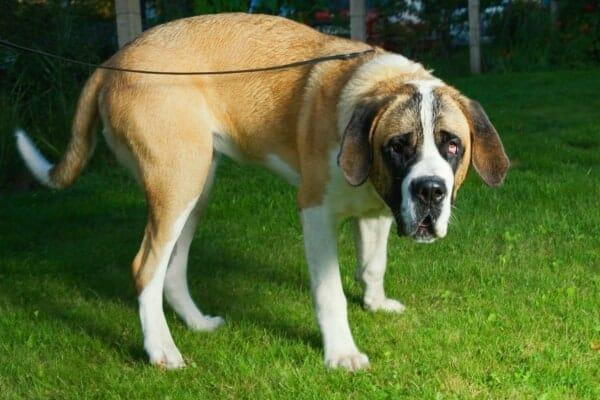
- Changes in posture: A hunched back or stiffness when walking.
- Tenderness: Sensitivity when touching the back or spine.
If you notice any of these signs, it’s important to consult with your veterinarian for a thorough evaluation.
How is Spondylosis Diagnosed?
Your veterinarian will begin by performing a physical examination, looking for signs of pain or stiffness in your pet’s back and limbs. To get a clearer picture of the condition, your vet may recommend diagnostic imaging, such as X-rays or an MRI, to identify the bone spurs and assess the degree of degeneration in the spine.
Breeds Prone to Spondylosis
While spondylosis can affect any pet, certain breeds are more predisposed to developing this condition. Smaller breeds, like Chihuahuas, Dachshunds, and Yorkshire Terriers, as well as larger breeds such as German Shepherds and Doberman Pinschers, are more likely to experience spine-related issues as they age. Breeds with long backs, like Dachshunds, Corgis and Basset Hounds are particularly at risk due to the strain placed on their spine. If you have one of these breeds, it's especially important to monitor their spinal health as they get older and consult your veterinarian if you notice signs of discomfort or stiffness.
Treatment for Spondylosis
While there is no cure for spondylosis, there are ways to manage the condition and help your pet live more comfortably. Treatment will depend on the severity of the condition and the symptoms your pet is experiencing. Common options include:
- Pain management: Nonsteroidal anti-inflammatory drugs (NSAIDs) or other pain relief medications can help manage discomfort.
- Joint supplements: Supplements like glucosamine and chondroitin can support joint health and reduce inflammation.
- Weight management: Maintaining a healthy weight reduces stress on the joints and spine.
- Physical therapy: Gentle exercises or physical therapy can improve flexibility and muscle strength around the spine.
- Comfortable bedding: Soft, supportive bedding can help your pet rest more comfortably and reduce pressure on their spine.
In severe cases, where the pain is not manageable with medication, surgery may be an option to remove bone spurs or alleviate pressure on the spine.
Living with Spondylosis
Spondylosis is a chronic condition, but with the right care, most pets can lead happy, comfortable lives. Monitoring your pet’s activity level, keeping them at a healthy weight, and providing pain relief when needed can go a long way in managing the condition.
If your pet is showing signs of stiffness, lameness, or discomfort, schedule a visit with us. We’re here to provide the best care and help your pet maintain their quality of life as they age.
If you have any questions or concerns about spondylosis or your pet's health, don’t hesitate to contact us. We're always here to help!
Office Hours
8:00 AM - 8:00 PM
9:00 AM - 2:00 PM
Closed
Location
2319 Lakeshore Rd W.
Oakville, ON L6L 1H2, Canada
Contact Us
